PARTNERSHIPS
Dirty Diapers Are Getting a Second Life in Europe
Woosh, Borouge International, and BlueAlp launch Europe's first industrial-scale chemical recycling pathway for used disposable diapers
16 Jun 2026
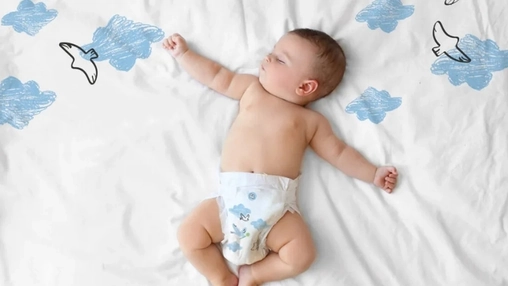
Three companies have built Europe's first industrial-scale recycling route for used disposable baby diapers. Woosh, Borouge International, and BlueAlp announced the pathway on 27 May 2026, converting collected nappies into ISCC PLUS-certified pyrolysis oil that can then be used to produce entirely new polymers, including, potentially, fresh diapers.
Woosh anchors the collection side. Its give-back system already reaches more than 30,000 children across Belgium, channelling thousands of metric tons of used diapers annually into BlueAlp's chemical recycling process. Certified pyrolysis oil then enters Borouge International's polymer supply chain, meeting quality standards that previously made this waste stream commercially unviable.
Both executives framed the effort as technically demanding. Peter Voortmans, VP Marketing Consumer Products at Borealis, Borouge International's parent, said: "Close collaboration solved the challenge of chemically recycling plastic from used diapers to meet pyrolysis specifications." BlueAlp CEO Valentijn de Neve called it a "fundamental example" of what his company aims to achieve at scale, targeting waste that conventional mechanical recycling cannot process.
Regulatory pressure is a factor. Tightening European rules on single-use plastics have pushed brands reliant on virgin polymers to find certified circular alternatives. For companies across the diaper and hygiene supply chain, this pathway offers a documented answer. Planned expansion into France and the Netherlands would raise both collection volumes and the supply of certified recycled content available to manufacturers.
Consumer demand is moving in the same direction. Brands adopting circular inputs may gain a meaningful commercial advantage as the market for sustainable baby products grows. With chemical recycling maturing and geographic reach widening, hygiene waste streams once considered commercially intractable are beginning to look like viable candidates for a closed-loop supply chain.
Related News


SUBSCRIBE FOR UPDATES
By submitting, you agree to receive email communications from the event organizers, including upcoming promotions and discounted tickets, news, and access to related events.