INNOVATION
Traceless Turns Farm Waste Into Compostable Plastic
Traceless opens a 3,000-tonne Hamburg plant turning farm waste into home-compostable plastic, with Mondi, OTTO, and Biesterfeld already on board
12 Jun 2026
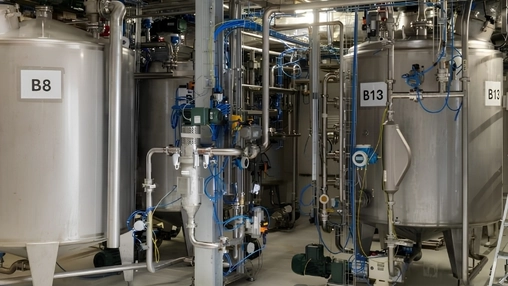
On 22 May 2026, Traceless opened its first industrial production facility in Hamburg, manufacturing a bio-based, home-compostable material designed to replace conventional fossil-derived plastics. The plant offers businesses a credible, scalable alternative to single-use plastic components at a moment when regulatory pressure across Europe continues to mount. Annual capacity stands at 3,000 tonnes, giving brand owners meaningful volume from the outset.
At the heart of the operation is a proprietary extraction process that converts agricultural residues into ready-to-use granulates. No exotic feedstocks are required. Drawing on plant-based waste that would otherwise go unused, the facility limits its environmental footprint while producing a polymer that breaks down at home, without industrial composting infrastructure.
Packaging company Mondi, retailer OTTO, and distribution specialist Biesterfeld have already joined as customers, signaling strong early commercial demand. Their involvement suggests the material meets the performance standards that large-scale supply chains require. Partnerships at this level, analysts noted, tend to compress the timeline from innovation to mainstream adoption considerably.
For businesses, the Hamburg plant offers a reliable European supply of a material capable of satisfying tightening plastic-waste regulations. Consumers benefit from packaging that degrades after use rather than persisting in the environment for decades. The facility also provides what the sector has long lacked: a verified industrial reference point for bio-based polymers operating at commercial scale.
Traceless has positioned the Hamburg site as a foundation for future expansion, with the 3,000-tonne baseline intended to grow alongside customer demand. As packaging rules tighten across the continent, facilities of this kind will become increasingly central to supply chain planning. The Hamburg launch suggests that home-compostable materials have moved beyond niche prospect to commercially viable reality, and the results could shape procurement strategy across the industry in the years ahead.
Related News


SUBSCRIBE FOR UPDATES
By submitting, you agree to receive email communications from the event organizers, including upcoming promotions and discounted tickets, news, and access to related events.