Highlights Of The Program
2 days business program:
Learn from real-world case studies by industry leaders.
SHOWCASING INNOVATION:
Discover the latest technology and techniques from across the industry.
leaders talk:
Hear from top-level experts about how to stay ahead in a fast-changing industry.
MULTIPLE STREAMS:
A business program that is multi-disciplinary, giving you a broad view of the industry.
SMART TECHNOLOGIES:
Explore the latest smart and AI-driven solutions, and see how they can be used in your business.
roundtable discussion:
Join talks with industry peers. Share ideas, make connections, and find new partners.
Program 2026
DAY 1 :
MONDAY, JULY 6, 2026
08:00 - 08:50
REGISTRATION AND MORNING REFRESHMENTS
08:50 - 09:00
OPENING ADDRESS
09:00 - 09:25
FROM FEEDSTOCKS TO FINISHED PRODUCTS: POLICY LEVERS FOR NEXT GEN BIOPLASTICS


Benjamin Schwartz
American Chemistry Council
- Outlining federal and state policy frameworks accelerating renewable feedstock adoption in plastics manufacturing
- Examining certification systems validating bio-content, including mass balance and segregated chain-of-custody models
- Highlighting regulatory neutrality, allowing bioplastics to compete fairly with other sustainable technologies
- Strengthening alignment between industry, agriculture, and policymakers to support large-scale adoption of bioplastics
09:25 - 09:30
Q&A SESSION ON ADVANCING POLICY SUPPORT FOR BIOPLASTICS
09:30 - 09:55
SUGARCANE PVA: ENGINEERING A WATER-SOLUBLE BIO-PROGRAMMED POLYMER


Jim Reinerston
Culture Organics LLC
- Converting sugarcane leaf waste into a water-soluble PVA resin meeting USDA and FDA standards
- Demonstrating biologically programmed polymer behavior that performs like plastic before undergoing safe breakdown
- Detailing applications across packaging, agriculture, PPE, and consumer goods using scalable materials
- Differentiating the platform from PLA, PBAT and PHA through true end of life and circular value chains
09:55 - 10:00
Q&A SESSION ON WATER-SOLUBLE BIO-POLYMERS IN PRACTICE
10:00 - 10:25
RETHINKING HOW WE MAKE BIOPOLYMERS: FROM FERMENTATION TO PROGRAMMABLE PHAs


Yuliana Mihaylova
OliveBio
- Assessing current limitations of PHAs, including cost, scalability, consistency, and material performance constraints
- Introducing cell-free biocatalysis as an alternative manufacturing approach, enabling greater control and efficiency
- Advancing programmable PHAs by tailoring molecular structure and properties for diverse real world applications
10:25 - 10:30
Q&A SESSION ON NEXT-GEN BIOPOLYMER PRODUCTION AND APPLICATIONS
10:30 - 11:00
MORNING COFFEE BREAK IN THE EXHIBIT AREA
SPONSORED BY DOVER CHEMICAL CORPORATION
11:00 - 11:30
PANEL DISCUSSION ON ADVANCING A CIRCULAR ECONOMY BY PROMOTING SUSTAINABLE PLASTICS



- Scaling circular plastics in the United States through affordability, infrastructure, policy alignment, and consumer value creation
- Evaluating bioplastics and bio-based materials advancing sustainable alternatives to petroleum-based packaging and consumer products
- Addressing the role and challenges of certified compostable plastics in advancing scalable circular economy solutions
- Justifying sustainable plastics adoption by balancing higher costs with long-term environmental, regulatory, and market value
- Circular material solutions for applications where conventional mechanical recycling remains impractical or unfeasible
Bill Shireman | Solution Citizen
James Kahn | Verde Bioresins
Jeanette Hanna | BASF
Jay Bolus | IPG
Yuliana Mihaylova | OliveBio
11:30 - 11:55
DRIVING THE TRANSITION TO RENEWABLE FEEDSTOCKS

Jeanette Hanna
BASF
- Evaluating biomass balance as a scalable approach to integrate renewable feedstocks early in production
- Demonstrating a reduction in carbon footprint while maintaining product quality and performance standards
- Addressing current limitations of fully bio-based pathways across materials, while enabling practical progress
- Explaining how increased demand for renewables accelerates market transformation and sustainable chemistry
11:55 - 12:00
Q&A SESSION ON COMMERCIALIZING SUSTAINABLE CHEMISTRY SOLUTIONS
12:00 - 12:25
SOLEIC: PLANT-BASED POLYURETHANES TO ELIMINATE PLASTIC POLLUTION


Ryan Simkovsky
Algenesis Labs
- Exploring how plant-based chemistry replaces fossil feedstocks while matching the durability of high-performance polyurethanes
- Presenting data on molecular strength and verified biodegradation in soil and marine settings, supported by peer-reviewed studies
- Covering applications in footwear, automotive foams, and molded goods with seamless integration into existing machinery
- Detailing the carbon reduction benefits and the Bio-Iso™ breakthrough, enabling fully plant-sourced production
12:25 - 12:30
Q&A SESSION ON ADVANCING BIOBASED POLYURETHANES FOR A CIRCULAR FUTURE
12:30 - 13:30
NETWORKING LUNCH & VISITING THE SUSTAINABLE PLASTICS EXHIBITION
13:30 - 14:00
PANEL DISCUSSION ON NAVIGATING PACKAGING REGULATIONS AND THE PLASTIC WASTE DIRECTIVE




- Identifying key gaps in statewide EPR laws and how producer responsibility organizations can effectively address them
- Addressing compliant takeout foodware gaps while collaborating with industry to meet evolving food service needs
- Evidence requirements supporting credible sustainability claims for recycled, recyclable, and bio-based packaging materials
- Understanding PPWR implications for global businesses, plastics value chains, and PFAS-related compliance requirements
Charlotte Winterman | REearthable® | Moderator
Kevin Kelly | Emerald Packaging, Inc.
Julie Wedge | Clean Water Action
Che Choi | DQS
Pavlina Chopova-Leprêtre | Mayer Brown
14:00 - 14:25
EU APPROACH TO SUSTAINABLE PLASTICS: A LEGAL OVERVIEW

Pavlina Chopova-Leprêtre
Mayer Brown
- Providing a high-level overview of the EU policy framework for sustainable plastics under the Green Deal
- Highlighting key EU strategies and action plans shaping the circular economy and plastics regulation
- Examining adopted and upcoming legislation across the plastics life cycle from design to use
- Addressing recycling targets, waste reduction rules, and green claims affecting plastic products
14:25 - 14:30
Q&A SESSION ON EU PLASTICS REGULATION ACROSS THE PRODUCT LIFE CYCLE
14:30 - 14:55
MOLECULAR SORTATION OF BIO-BASED PACKAGING FROM PETROLEUM PLASTICS USING THERMAL HYDROLYSIS


Andrew Walsh
Jones Celtic Bioenergy
- Introducing a technology that separates bio-based packaging from petroleum plastics at an industrial scale
- Highlighting the valorization of hydrolyzed bio-packaging to generate biofuels at higher yields than those obtained from food waste
- Presenting a process for preventing microplastic formation when treating mixed loads of plastics, bio-packaging, and bio-waste
14:55 - 15:00
Q&A SESSION ON THERMAL HYDROLYSIS FOR CLEANER PACKAGING STREAMS
15:00 - 15:20
AFTERNOON COFFEE BREAK IN THE EXHIBIT AREA
15:20 - 15:45
ENZYMATIC HYDROLYSIS: READY FOR PRIME-TIME PLASTIC RECYCLING


Humberto Kravetz
Entzimatiko
- Leveraging enzymatic recycling as a scalable alternative to traditional mechanical and chemical recycling methods
- Driving a lower-cost, lower-energy pathway supporting true circularity in plastics and sustainable material recovery
- Expanding beyond PET to include polyolefins, ABS, and polystyrene as viable future recycling feedstocks
15:45 - 15:50
Q&A SESSION ON INDUSTRIAL-SCALE ENZYME-BASED PLASTIC RECYCLING
15:50 - 16:15
FROM REGENERATIVE CORN TO CIRCULAR BIO-PET: ADVANCING SUSTAINABLE MATERIALS


Éverton Simões Van-Dal
Sustainea
- Outlining Sustainea's process of converting regeneratively grown corn into high-performance plant-based glycols
- Showcasing plant-based glycols enabling low-carbon PET across packaging, textiles, and more
- Describing U.S.-manufactured, drop-in bio-PET integrated with current production and recycling systems
- Quantifying emissions reductions, supply chain improvements, and measurable circularity gains
16:15 - 16:20
Q&A SESSION ON SCALING LOW CARBON BIO PET VIA REGENERATIVE CORN
16:20 - 16:45
CHALLENGES AND OPPORTUNITIES FOR INCORPORATING PCR INTO HIGH-PERFORMING FILM PRODUCTS

Jay Bolus
IPG
- Providing an overview of IPG, including its product portfolio, engineered film solutions, and sustainability initiatives
- Examining the advantages and limitations associated with incorporating PCR into high-performing engineered film products
- Sharing success stories demonstrating the use of PCR in stretch and shrink film applications
16:45 - 16:50
Q&A SESSION ON INTEGRATING RECYCLED CONTENT IN FILM APPLICATIONS
16:50 - 17:15
THE PLASTIC INDUSTRY'S BLIND SPOT: THE GROWING GAP BETWEEN MATERIAL COST AND BUSINESS IMPACT

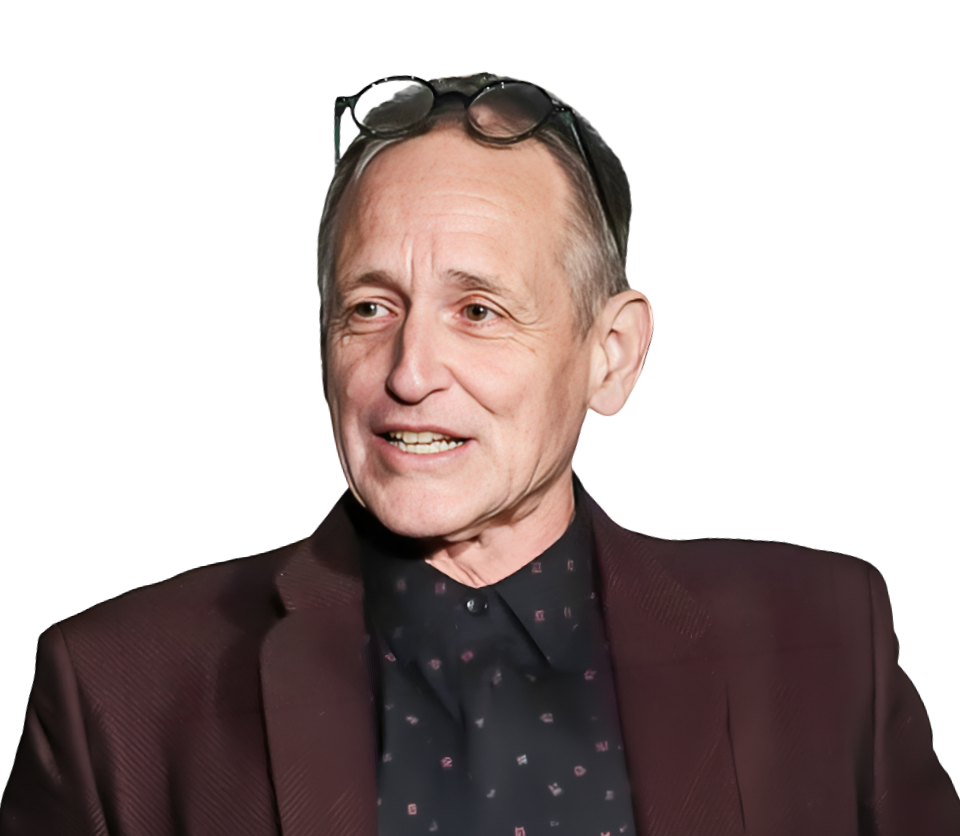
Charlotte Wintermann
REearthable®
- Billions of small-format plastic products are designed for recyclability but are not realistically recovered, revealing the growing gap between intentions and outcomes
- Regulations, reporting, consumer expectations, and brand risk are exposing the true cost of plastic decisions beyond price alone
- The business consequences of evaluating materials too narrowly—and a practical decision guide for uncovering hidden risks, opportunities, and tradeoffs
17:15 - 17:20
Q&A SESSION ON END-OF-LIFE PLASTICS ACCOUNTABILITY
17:20 - 17:45
RETHINKING CIRCULARITY FOR PET BOTTLES

Michail Dolgovskij
SI Group Inc.
- Reviewing current PET recycling practices that rely on corrective additives to address degradation during thermal processing
- Optimizing stabilizers designed to prevent degradation and improve the overall quality of rPET streams
- Noting improvements in rPET color, intrinsic viscosity, and acetaldehyde reduction through stabilization
- Advancing stabilizers as a solution for reducing toner dependence while mitigating impacts from cross-contaminants
17:45 - 17:50
Q&A SESSION ON IMPROVING PET RECYCLING QUALITY THROUGH STABILIZERS
17:50 - 18:50
NETWORKING DRINKS RECEPTION
DAY 2 :
TUESDAY, JULY 7, 2026
08:00 - 08:30
MORNING REFRESHMENTS
08:30 - 08:40
OPENING ADDRESS
08:40 - 09:05
SUCCESSFULLY NAVIGATING THE PATHWAY FROM CONCEPT TO COMMERCIALIZATION OF Bio2Glycols TECHNOLOGY


David F. Pucci
Technip Energies
- Understanding the pathway from due diligence and pilot testing to scale-up and commercialization readiness
- Addressing technical and financial risks and avoiding common pitfalls to accelerate deployment
- Reviewing a case study showing Bio2Glycols™ Technology progressing toward commercial market adoption
09:05 - 09:10
Q&A SESSION ON SCALING BIOBASED TECHNOLOGIES TO MARKET
09:10 - 09:35
DESIGNING CIRCULAR PERFORMANCE: WHY MATERIAL DESIGN DETERMINES THE FUTURE OF SUSTAINABLE PLASTICS


Matt Fender
Dover Chemical Corporation
- Examining material design decisions influencing durability, reuse potential, and life-cycle performance
- Underscoring the importance of engineering plastics for compatibility, stability, and circular scalability
- Illustrating improved material design reducing waste while preserving long-term product value
09:35 - 09:40
Q&A SESSION ON OPTIMIZING PLASTICS FOR MULTIPLE LIFE CYCLES
09:40 - 10:05
PET RECYCLING VIA CO-ROTATING TWIN-SCREW EXTRUSION


Edward Gay
KraussMaffei Corporation
- Examining co-rotating twin-screw extruders and their role in efficient PET recycling processes
- Outlining the PET recycling process section configurations for optimized material quality and production throughput
- Presenting lab-scale implementation and real-world examples of transitioning to production scale
10:05 - 10:10
Q&A SESSION ON EXTRUSION-BASED PET RECYCLING SOLUTIONS
10:10 - 10:35
THE MESSY FUTURE OF FLEXIBLE PACKAGING

Kevin Kelly
Emerald Packaging, Inc.
- Examining the growing influence of regulations such as PCR requirements, alongside major questions around cost and responsibility
- Addressing challenges emerging from EPR policies, with California offering a clear example of regulatory complexity
- Highlighting real progress toward circularity through large-scale shifts from virgin polyethylene to post-consumer recycled materials in packaging
- Identifying remaining gaps in the recycling system, sustainability pressures, and why some companies are scaling back their commitments
10:35 - 10:40
Q&A SESSION ON THE PACKAGING REGULATION AND INDUSTRY CHANGE
10:40 - 11:00
MORNING COFFEE BREAK IN THE EXHIBIT AREA
SPONSORED BY RECYCLEME
11:00 - 11:25
CRITICAL EPR DEVELOPMENTS SHAPING THE U.S. LANDSCAPE


Jason Bergquist
RecycleME
- Unpacking fee structure divergence and material category gaps across US EPR programs
- Tracing eco-modulation levers rewarding life cycle assessments and recycled content adoption
- Navigating fragmented EPR timelines and fee reporting cycles to build defensible producer strategies
11:25 - 11:30
Q&A SESSION ON EPR HARMONIZATION AND COMPLIANCE CHALLENGES
11:30 - 11:55
WHY ADVANCED RECYCLING BY GLYCOLYSIS FOR PET WASTE TRAYS AND FILMS


Jan Van Kisfeld
revalyu Resources GmbH
- Identifying the PET packaging gap between bottle-grade recycling streams and under-recycled trays, films, and laminates
- Addressing contamination and variability challenges that limit recovery of thermoforms and complex PET structures
- Clarifying glycolysis as a depolymerization pathway, resetting PET into BHET and oligomers for purification and reuse
- Focusing on higher capture rates and reduced virgin demand while supporting food-grade circularity through glycolysis
11:55 - 12:00
Q&A SESSION ON EXPANDING FOOD-GRADE CIRCULARITY FOR HARD PET WASTE
12:00 - 12:25
SCALING CERTIFIED CIRCULARITY: HOW ISCC PLUS ACCELERATES SUSTAINABLE PLASTICS TRANSFORMATION


Berk Büyükbas
International Sustainability and Carbon Certification
- Outlining ISCC PLUS certification requirements and compliance pathways for circular plastics value chains
- Presenting ISCC PLUS chain-of-custody models enabling auditable recycled and bio-based feedstocks
- Advancing global alignment and third-party verification to strengthen strategies and scale circular solutions
12:25 - 12:30
Q&A SESSION ON TRACEABILITY, MARKET ADOPTION, AND CERTIFICATION OF CIRCULAR MATERIALS
12:30 - 12:55
FOOD-CONTACT PACKAGING IN A CIRCULAR ECONOMY: COMPLIANCE, CLAIMS, AND AUDIT-READY INNOVATION

Che Choi
DQS
- Examining contamination, supplier, and documentation risks when recycled and bio-based materials are used in food contact packaging
- Exploring how certification systems, including ISCC Plus, support auditable chain of custody and mass balance claims for circular materials
- Identifying practical design, testing, traceability, and claim-substantiation steps needed before sustainable packaging innovations go to market
12:55 - 13:00
Q&A SESSION ON COMPLIANT FOOD PACKAGING IN THE CIRCULAR ECONOMY TODAY
13:00 - 14:00
NETWORKING LUNCH AND VISITING THE SUSTAINABLE PLASTICS EXHIBITION
14:00 - 14:25
UPCYCLING OF RECYCLED POLYPROPYLENE ENHANCING PERFORMANCE THROUGH COMPATIBILIZATION


Lucivan Barros
Thermo Fisher Scientific
- Compatibilization strategies for improving the performance of recycled polypropylene in polymer blends
- The role of reactive extrusion and PP-g-MAH in enhancing interfacial adhesion between recycled and polar resin systems
- Influence of processing parameters and analytical techniques on blend performance and material properties
- Pathways for transforming recycled polypropylene into higher-value materials for sustainable polymer applications
14:25 - 14:30
Q&A SESSION ON ADVANCING HIGHER VALUE APPLICATIONS FOR RECYCLED PP
14:30 - 14:55
ACCELERATING WASTE PLASTIC RECYCLING THROUGH SINGLE-SITE CHEMICAL CONVERSION


Tie-Pan Shi
HCpect
- Sharing lessons learned from commissioning and stabilizing a 200-kta waste plastics conversion plant at a commercial scale
- Outlining key debottlenecking measures, technical modifications, and operational improvements to increase plant performance
- Assessing the commercial value of larger single-site facilities in improving recycling rates, economics, and feedstock utilization
- Discussing the replication potential of this conversion model through supply radius, logistics, and scale considerations
14:55 - 15:00
Q&A SESSION ON SCALING CHEMICAL RECYCLING FOR PLASTICS RECOVERY
15:00 - 15:25
FROM WASTE TO 100 PERCENT RECYCLED FIBER-PLASTIC COMPOSITE PANELS


Alfredo Faubel
Miura Board®
- Transforming mixed and contaminated plastic scrap directly into durable composite panels through Miura Board®’s upcycling process
- Eliminating water use with a dry manufacturing approach while reducing the environmental footprint of production
- Assessing durable recycled panels as a pathway to circular building materials through full recyclability and closed-loop potential
15:25 - 15:30
Q&A SESSION ON UPCYCLING PLASTICS INTO CIRCULAR COMPOSITE PANELS
15:30 - 15:55
FROM PLASTIC WASTE TO RENEWABLE FEEDSTOCK: DEFINING AND SCALING TRUE CIRCULARITY


Nick Spina
Denovia, Inc.
- Defining true circularity and distinguishing closed-loop recovery from downcycling and energy recovery
- Examining advanced depolymerization and its role in producing food-grade, virgin-equivalent outputs
- Exploring the role of brands, procurement teams, and regulators in supporting credible demand signals for investment
- Identifying operational, financial, and partnership factors for scaling advanced recycling to reliable systems
15:55 - 16:00
Q&A SESSION ON COMMERCIALIZING TRUE CIRCULARITY IN PLASTICS
16:00 - 16:15
FEEDBACK AND RAFFLE DRAW
16:15 - 16:30
CLOSING REMARKS
Become a Speaker & Join the Conversation
SUBSCRIBE FOR UPDATES
By submitting, you agree to receive email communications from the event organizers, including upcoming promotions and discounted tickets, news, and access to related events.