MARKET TRENDS
Europe's Plastic Recycling Drive Is Running on Empty
Europe's circular plastics growth fell to 1.2% in 2024 from 13.6% in 2022 as energy costs and waste failures mount
11 Jun 2026
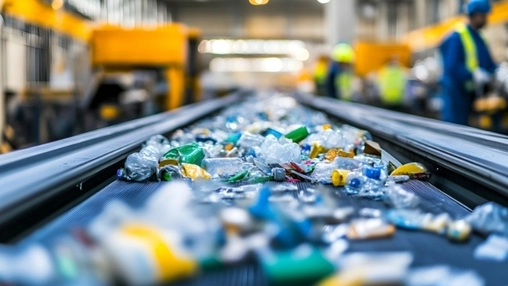
Europe's circular plastics sector, long positioned as a cornerstone of the continent's sustainability agenda, recorded annual production growth of just 1.2 percent in 2024, down sharply from 13.6 percent two years earlier. The collapse in momentum has pushed manufacturers into what analysts described as survival mode, with high energy and feedstock costs compressing margins to the point where investment in new circular capacity has become financially prohibitive for many producers.
More than 70 percent of collected plastic waste across the continent is still directed to incineration or landfill, according to industry data, despite sustained regulatory pressure from Brussels to raise recycling rates. That figure underscores how far the sector remains from its own declared targets. Businesses in retail, packaging, and manufacturing that depend on recycled plastic inputs are now confronting tighter supply and higher costs as a result.
Among the major producers navigating this landscape are Ineos Olefins and Polymers Europe, BASF, and TotalEnergies, all of which have made decarbonization commitments while facing market conditions that make those commitments difficult to fund. Policy mandates require greener outputs; current economics punish investment in circular capacity. Stagnation, analysts said, has arrived at precisely the moment the industry needed to build speed.
Downstream, the slowdown means slower progress on sustainable packaging and rising premiums for recycled-content products. Brands carrying firm 2030 recycled-content pledges face growing uncertainty over whether compliant materials will be available at viable prices. The gap between stated ambition and industrial reality has widened considerably.
Still, the data clarifies where policy intervention is most urgently needed. Analysts expect targeted European Union funding mechanisms and reformed energy pricing to gradually restore the economics of circular production over the next two to three years. Whether that support arrives quickly enough to prevent further contraction will shape the trajectory of Europe's low-waste economy well into the next decade.
Related News


SUBSCRIBE FOR UPDATES
By submitting, you agree to receive email communications from the event organizers, including upcoming promotions and discounted tickets, news, and access to related events.