TECHNOLOGY
How AI Is Fixing What Recycling Gets Wrong
Real-world AI waste analytics are reshaping plastic recovery, helping brands design smarter packaging and hit tightening EPR targets
10 Jun 2026
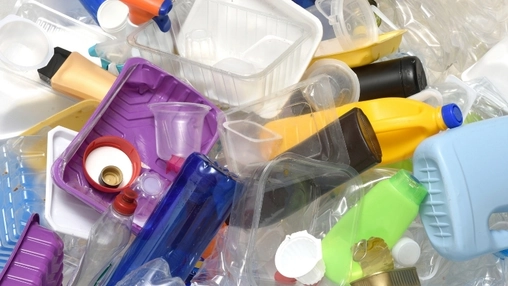
Somewhere along a fast-moving conveyor belt, a pump dispenser flies past a camera. In milliseconds, a machine identifies it, logs it, and flags it as a problem. The pump will not be recovered. The brand that made it will eventually pay for that.
Plastic recycling has long suffered from a data problem. Brands designed packaging with little knowledge of how it fared inside sorting facilities. Recyclers operated on intuition and manual labour. Regulators wrote rules with scant evidence of what actually worked. Artificial intelligence is beginning to close that gap.
Greyparrot, a British firm, has built a platform called Deepnest that places camera-equipped units along sorting lines. The data flows into a centralised system, revealing which packaging components drag down recovery rates. Kenvue, the consumer goods company, now uses it to model the financial consequences of specific design changes before committing to new packaging. A label that prevents a bottle from being sorted correctly is no longer an invisible problem; it carries a projected cost.
The scale of deployment is notable. Greyparrot's network spans more than 55 facilities across 20 countries and processes data on over 40 billion waste objects each year. Across the Atlantic, AMP Robotics has placed 50 robotic arms across 20 facilities in partnership with Waste Connections, cutting labour costs by $2 million annually and lifting plastic recyclables recovery by 15%. Waste Management has equipped 39 facilities with AI sorting systems and is projecting $1.4 billion in capital improvements this year.
Structural pressure is accelerating the trend. Extended producer responsibility laws, tightening across American states and international markets alike, are shifting the financial burden of poor recyclability onto brand owners. That makes verified data less of a competitive edge and more of a compliance necessity.
The deeper implication is architectural. For the first time, packaging designers, sortation operators, and regulators can share a common dataset. A pump dispenser that fails on a Belgian sorting line can, in theory, inform a redesign before the next product launch. Whether brands act on that information, rather than simply benchmark against it, remains the more consequential question.
Related News


SUBSCRIBE FOR UPDATES
By submitting, you agree to receive email communications from the event organizers, including upcoming promotions and discounted tickets, news, and access to related events.