INVESTMENT
Cedar Port Gets Its Feedstock. Now Comes the Money.
Abundia secures a 10-year, 40,000-ton annual polyolefin supply deal with Frankfort Plastics, pushing Cedar Port toward a Final Investment Decision
15 Jun 2026
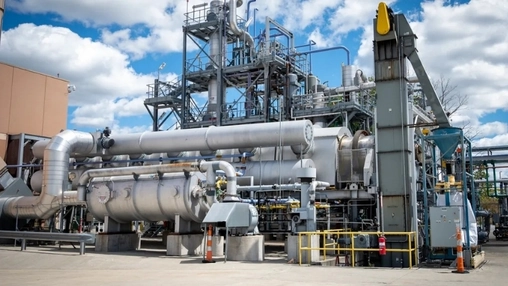
Abundia Global Impact Group has finalized a ten-year feedstock supply agreement with Frankfort Plastics, securing 40,000 tons of polyolefin plastic waste annually for its Cedar Port waste-to-fuels facility in Texas. Announced on June 9, 2026, the contract represents half of Cedar Port's projected annual feedstock requirements. Officials suggested the deal marks a meaningful shift from early development toward commercial execution.
Polyolefin plastics rank among the most abundant and difficult-to-recycle waste streams in North America, and reliable supply agreements at this scale have historically proven difficult to secure. By locking in a decade-long input pipeline, Abundia gains the kind of long-horizon contractual certainty that infrastructure lenders typically require before committing capital. Frankfort Plastics, for its part, gains a structured long-term channel for material that would otherwise face costly disposal.
Feedstock security, company management noted, is a key milestone in Cedar Port's path to a Final Investment Decision, a threshold at which large-scale waste-to-fuels projects have often stalled. Additional feedstock negotiations are reportedly underway, a signal the company intends to replicate the model beyond Texas. For financial backers, securing supply early reduces one of the sector's most persistent investment risks.
Broader market dynamics are shifting too. Analysts said plastic waste is increasingly treated as a tradable commodity commanding long-horizon contractual commitments rather than a disposal liability, a pattern visible across manufacturing, logistics, and recycling infrastructure. Cedar Port, if completed, would reduce landfill volumes and expand domestic fuel supply chains.
With half of Cedar Port's feedstock capacity now under contract and a Final Investment Decision in view, the project stands as a test case for whether large-scale plastic waste conversion can move from concept to commercial reality in the American market. The outcome could shape investment patterns across the sector for years ahead.
Related News


SUBSCRIBE FOR UPDATES
By submitting, you agree to receive email communications from the event organizers, including upcoming promotions and discounted tickets, news, and access to related events.