PARTNERSHIPS
A Gulf Coast Recycling Plant Just Got a Powerful New Ally
BASF gains equity rights in Encina's Gulf Coast plant, targeting 175,000 tonnes of circular benzene per year from plastic waste
9 Jun 2026
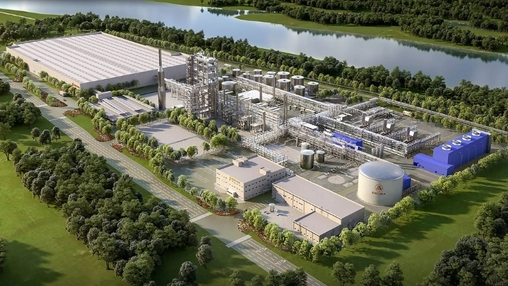
Chemical recycling in the United States just found a new model. On June 2, BASF and Texas-based Encina announced an expanded collaboration that positions the German chemicals giant as a potential equity partner in Encina's planned Gulf Coast recycling facility, moving well beyond the long-term benzene offtake agreement already between them.
The numbers behind the plant are substantial. Designed to process roughly 375,000 metric tonnes of plastic waste annually, the facility would yield around 175,000 metric tonnes of circular benzene each year, alongside circular methane and other co-products. Encina founder David Schwedel acknowledged that product yields depend on feedstock variability and ongoing engineering work.
For BASF, the commitment is grounded in clear internal demand. Its Geismar, Louisiana plant is on track to reach 600,000 metric tonnes of North American MDI capacity by end-2026, making circular benzene a genuine operational need rather than a sustainability gesture. Equity rights in future Encina projects globally sweeten the arrangement further.
Structured co-development marks a real shift in how these deals work. Rather than signing an offtake contract and stepping back, BASF will actively advise on procurement strategy and project execution as Encina moves toward a final investment decision, expected roughly 18 months from kickoff. Thomas Ohlinger, BASF's senior vice president for traded products, described the model as offering capabilities that conventional offtakers simply cannot match.
Encina already holds supply agreements with styrenics producer AmSty and commercial ties with Covestro and others, assembling a creditor base of major downstream names. Questions persist, though. Critics of chemical recycling continue to challenge mass balance transparency, and Encina has yet to name a site for the facility, leaving key permitting timelines open.
None of that has slowed the momentum. What this deal signals, above all, is that advanced recycling partnerships across North America are evolving from straightforward buyer-seller contracts into shared-risk development structures, and that shift could meaningfully compress the timeline to commercial-scale circular chemical capacity.
Related News


SUBSCRIBE FOR UPDATES
By submitting, you agree to receive email communications from the event organizers, including upcoming promotions and discounted tickets, news, and access to related events.