INNOVATION
Bath Scientists Find a Way to Recycle Acrylic Plastic
University of Bath scientists use UV light to chemically recycle PMMA, recovering virgin-grade monomers at lower temperatures without chlorinated solvents
3 Jun 2026
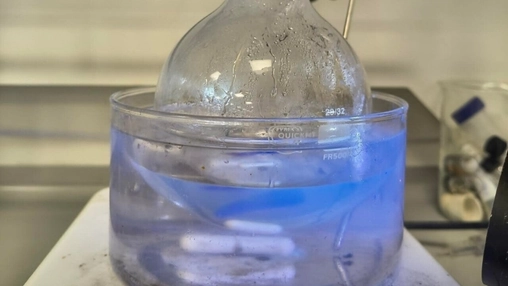
Acrylic plastic has long been a dead end in the circular economy. Roughly three million metric tons are produced globally each year, found in car windows, display screens, and building panels, yet no commercially viable recycling pathway exists for any of it. Conventional processing degrades the material so severely that the output cannot meet the optical or structural standards most applications require.
Published in Nature Communications in April 2026, research from the University of Bath offers a potential way forward. Working under oxygen-free conditions, scientists used ultraviolet light to break polymethyl methacrylate, known as PMMA, back into its original molecular components. Purified and reassembled, those monomers yield acrylic indistinguishable from virgin-grade material.
The process operates at 120 to 180 degrees Celsius, well below the 350 to 400 degrees required for conventional pyrolysis. Material conversion exceeded 95 percent, with monomer recovery surpassing 70 percent, according to the researchers. Chlorinated solvents are absent from the method, a meaningful distinction from a competing UV-based approach developed at ETH Zurich, and one that could ease regulatory approval for manufacturers navigating extended producer responsibility legislation and tightening recycled-content mandates.
Broader industry implications reach beyond a single polymer. Automotive suppliers, construction firms, and electronics makers currently have no scalable recycled-content option for acrylic components, meaning every windshield surround or display panel manufactured today is destined for landfill. Led by Dr. Jon Husband and Dr. Simon Freakley of Bath's Institute of Sustainability and Climate Change, the team is continuing work toward scale-up. Commercial partnerships have not been announced, and the researchers acknowledge that moving from gram-scale laboratory conditions to industrial throughput will require significant photoreactor infrastructure investment, a transition where other chemical recycling ventures have stumbled.
For an industry searching for circular routes beyond PET and polypropylene, UV-driven PMMA recycling signals something consequential. Treated as recoverable feedstock rather than waste, acrylic could reenter supply chains at full performance, reshaping how manufacturers approach end-of-life planning from the design stage forward.
Related News


SUBSCRIBE FOR UPDATES
By submitting, you agree to receive email communications from the event organizers, including upcoming promotions and discounted tickets, news, and access to related events.