PARTNERSHIPS
Plastics Alliance Takes Shape Across Colorado
Colorado plastics firms form an alliance to build recycling infrastructure and meet new state packaging rules
30 Jun 2026
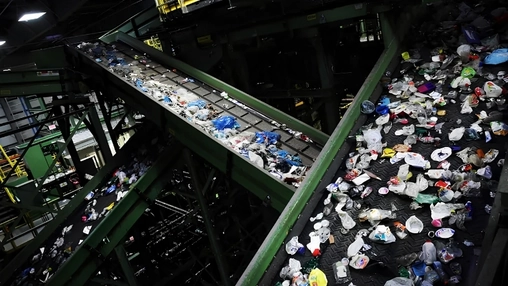
A group of Colorado plastics companies has formed an alliance to expand recycling infrastructure across the state, as new packaging rules take effect. Announced on June 22, the Colorado Circular Plastics Consortium brings together businesses involved in collection, processing and recycled material markets.
Under Colorado's extended producer responsibility (EPR) rules, companies that make and sell packaging bear the cost and obligation of recycling it. The consortium is meant to help them meet that requirement.
Central to the plan is a shared supply chain for recycled material. By pooling resources across collection, processing and end markets, members can spread costs that have often discouraged investment in regional recycling.
For businesses facing EPR obligations, a joint approach offers a more practical route to compliance than acting alone. It could also steady the supply of recycled material for manufacturers, easing the procurement problems caused by inconsistent availability.
The consortium covers two recycling methods: mechanical, which processes plastics without breaking down their chemical structure, and chemical, which converts plastic waste back into base materials. Together, they would allow a wider range of plastics to be diverted from landfill.
Local governments may also benefit. Greater recycling capacity should make diversion programmes more effective and reduce contamination in collection bins, an issue many municipal systems have struggled to solve without industry support. Better coordination between public and private actors could improve results at the kerbside, where most recycling decisions begin.
Tighter state rules and approaching compliance deadlines explain the timing. Other states developing similar EPR frameworks are likely to watch the outcome.
Whether the consortium proves effective remains to be seen. If it does, it could offer a model for how industry organises itself under producer responsibility systems elsewhere, particularly in states still deciding how regional cooperation should work in practice.
Related News


topics on the agenda
FROM FEEDSTOCKS TO FINISHED PRODUCTS: POLICY LEVERS FOR NEXT-GEN BIOPLASTICS
Day 1: MONDAY, JULY 6, 2026
09:00 - 09:25
SUGARCANE PVA: ENGINEERING A WATER-SOLUBLE BIO-PROGRAMMED POLYMER
Day 1: MONDAY, JULY 6, 2026
09:30 - 09:55
RETHINKING HOW WE MAKE BIOPOLYMERS: FROM FERMENTATION TO PROGRAMMABLE PHAs
Day 1: MONDAY, JULY 6, 2026
10:00 - 10:25
SUBSCRIBE FOR UPDATES
By submitting, you agree to receive email communications from the event organizers, including upcoming promotions and discounted tickets, news, and access to related events.